
Ultimate Foundation Repair Supplies For Professional Results
Access top-quality materials and tools that ensure effective repairs and a strong, stable foundation for your property.
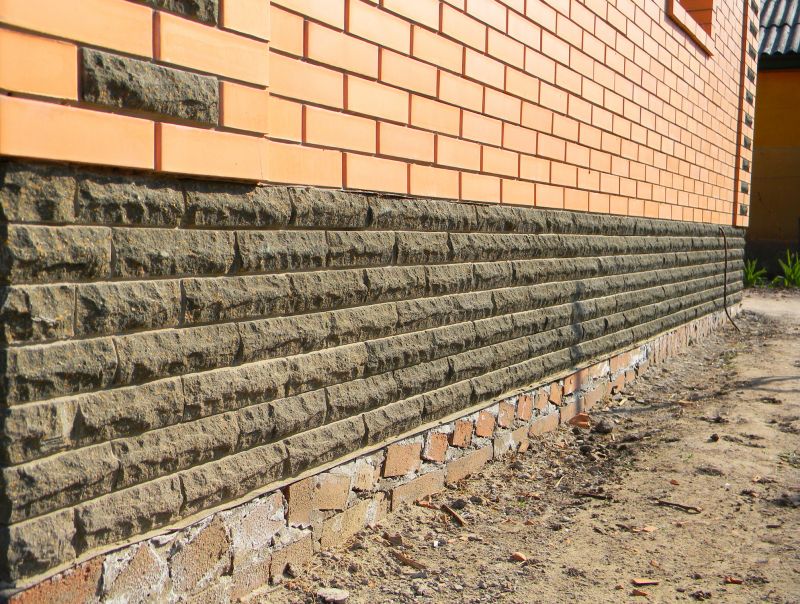 Foundation issues can significantly impact the stability and safety of a structure, especially in regions like Grand Forks, ND where soil conditions and weather patterns can influence foundation integrity. Addressing these concerns often involves a variety of repair products designed to stabilize, lift, or reinforce the foundation. When considering foundation repair products, it is essential to understand the different types available, their specific applications, and how they interact with the unique conditions of your property.
Top Overall Option
Polyurethane Foam Foundation Lift System
Polyurethane foam foundation lift systems are versatile and minimally invasive options that can be used to lift and stabilize settling foundations. These systems expand upon injection to fill voids and lift the foundation back to its original position, making them suitable for a variety of soil types and minor to moderate foundation issues. They are appreciated for their quick application and ability to reach difficult areas without extensive excavation.
Types of Products For Foundation Repairs
Push Piers
Push piers are driven into stable soil beneath the foundation to provide support and lift, suitable for severe settlement issues.
Helical Piers
Helical piers are screwed into the ground and used to stabilize and lift foundations, especially in variable soil conditions.
Underpinning Systems
Underpinning involves extending the foundation's depth or breadth to improve stability, often using various support products.
Crack Injection Kits
Injection kits are designed to seal cracks and reinforce the existing foundation structure, preventing water intrusion and further deterioration.
Polyurethane Foam Lifts
Polyurethane foam lifts are used to fill voids and lift the foundation with minimal disturbance, ideal for minor settling.
Steel Push Piles
Steel push piles are driven into the ground to provide deep support for foundations experiencing significant movement.
Grouting Materials
Grouting involves injecting cement or chemical grout to stabilize soil and fill voids beneath the foundation.
Anchor Bolts and Straps
These are used to reinforce and stabilize foundation walls and prevent further shifting.
Carbon Fiber Reinforcement
Carbon fiber strips are bonded to foundation walls to reinforce cracks and prevent wall failure.
Soil Stabilization Products
These products improve soil bearing capacity and reduce settlement issues around the foundation.
Foundation Jack Posts
Adjustable jack posts can be used to support and level floors affected by foundation settlement.
Vapor Barriers and Drainage Systems
These products help manage moisture around the foundation, reducing soil movement and deterioration.
Mudjacking and Slab Jacking Materials
Used to lift and level concrete slabs, these materials fill voids beneath slabs and restore stability.
Anchor Plates
Anchor plates are used in conjunction with tiebacks to stabilize bowing basement walls.
Basement Wall Supports
Support systems designed to reinforce and stabilize basement walls experiencing bowing or cracking.
Popular Choices
These kits are commonly used for minor lifts and void filling, appreciated for their ease of application.
A frequently selected method for supporting heavily settled foundations, providing long-term stability.
Popular for sealing cracks and preventing water intrusion in foundation walls.
Chosen for their adaptability in various soil conditions and ability to support significant loads.
A common choice for strengthening cracked basement walls and preventing further cracking.
Used to improve soil stability beneath foundations, especially in clay or loose soils.
Installed to control moisture and reduce soil-related foundation movement.
Widely used to address bowing or leaning basement walls.
Selected for deep support in cases of significant settlement or when additional foundation depth is needed.
Popular for preventing water-related foundation issues and maintaining dry basements.
Used to support sagging floors and stabilize weak areas around the foundation.
Used for filling voids and stabilizing soil beneath the foundation.
Commonly employed to stabilize bowed basement walls and prevent further movement.
Applied to lift and level uneven concrete slabs around the foundation.
Adjustable posts used to support and level sagging floors caused by foundation movement.
Many homeowners and contractors turn to a combination of products to achieve optimal results. For instance, underpinning systems can provide long-term stabilization, while helical piers and push piers are often used to lift and support foundations that have shifted or settled. Crack injection kits are useful for sealing and reinforcing minor cracks, preventing further deterioration. It is important to evaluate the severity of the foundation issues and select products that are compatible with the underlying soil and structural requirements.
Proper installation and the right product choice are crucial for ensuring the durability and safety of the repair. Consulting with a foundation specialist can help determine the most suitable products for your specific situation. Regular inspections and maintenance can also extend the lifespan of foundation repairs, helping to prevent future problems. Whether you are dealing with minor cracks or significant settlement, understanding the range of available products can assist in making informed decisions for your property in Grand Forks, ND.
Key Buying Considerations
- Assess the severity and type of foundation issue to select the most appropriate product.
- Consider the soil conditions and how they influence product effectiveness.
- Evaluate the size and scope of the repair project to determine the necessary support capacity.
- Check compatibility of repair products with existing foundation materials.
- Determine whether the repair requires lifting, stabilization, or crack sealing.
- Review installation requirements and whether professional assistance is recommended.
- Consider the longevity and durability of the repair products used.
- Understand the potential for future movement and whether ongoing maintenance may be needed.
- Identify any water management needs to prevent moisture-related issues.
- Verify product certifications and compliance with local building codes.
- Estimate the total cost, including installation and potential future repairs.
- Look for products with proven performance in similar soil and structural conditions.
- Assess the ease of application and whether specialized tools or skills are required.
- Consider the impact on property value and long-term stability.
- Research manufacturer warranties or guarantees associated with repair products.