Optimal Seasons for Foundation Repairs
Foundation repairs are most effective when performed during specific seasonal conditions that minimize soil movement and moisture fluctuations. Optimal timing depends on regional climate patterns and soil types, with the goal of reducing the risk of further shifting or damage during the repair process.
Spring offers moderate temperatures and manageable moisture levels, making it suitable for foundation work. However, soil moisture can vary, so timing within spring is important.
Summer can be effective if soil moisture levels are stable. Excessive heat or drought may cause soil contraction, increasing the risk of future movement.
Fall provides cooler temperatures and often stable soil conditions, ideal for foundation repairs before winter.
Winter is generally less suitable due to frozen ground, which can hinder excavation and repair work.
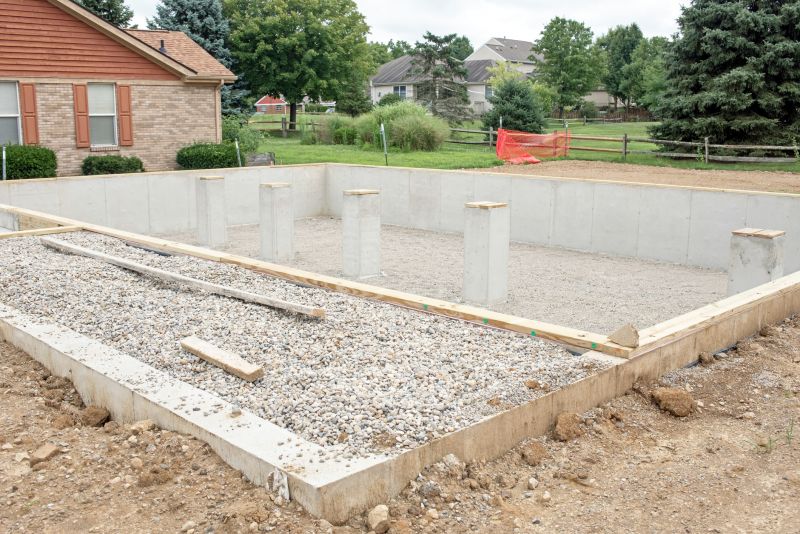
Springtime soil conditions can support effective foundation stabilization.
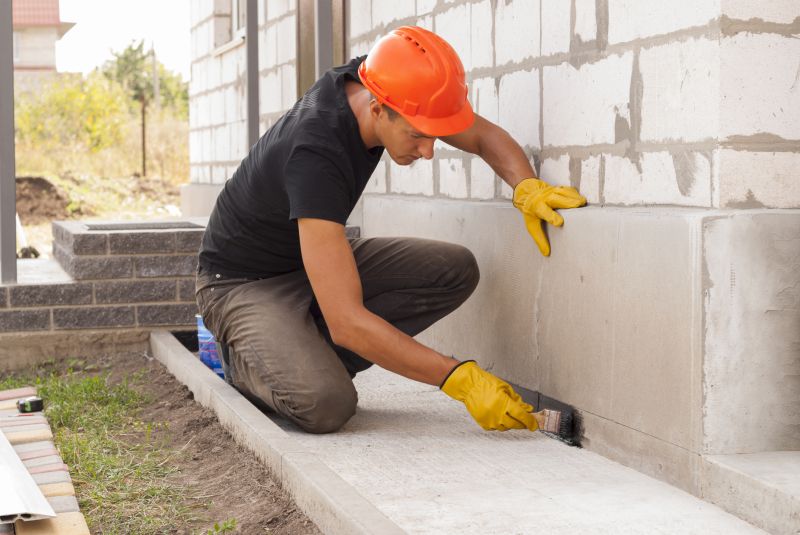
Performing repairs during early summer can prevent future issues caused by soil expansion.

Fall offers optimal soil conditions for foundation stabilization before winter.

Ways to make Foundation Repairs work in tight or awkward layouts.

Popular materials for Foundation Repairs and why they hold up over time.
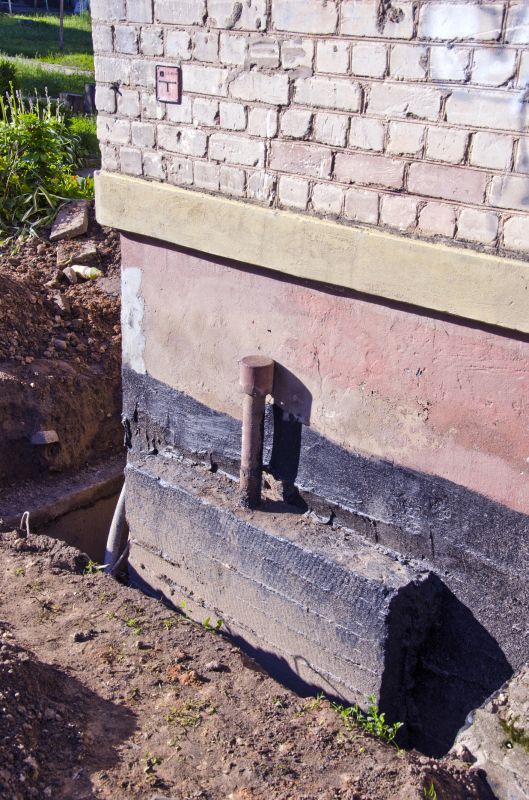
Simple add-ons that improve Foundation Repairs without blowing the budget.

High-end options that actually feel worth it for Foundation Repairs.

Finishes and colors that play nicely with Foundation Repairs.
| Season | Suitability |
|---|---|
| Spring | Moderate, variable moisture, suitable with caution |
| Summer | Stable if soil moisture is managed |
| Fall | Ideal for stable soil conditions |
| Winter | Unsuitable due to frozen ground |
Foundation repairs involve addressing structural issues caused by soil movement, settling, or cracking. Proper timing enhances repair effectiveness and longevity. Soil conditions, moisture levels, and seasonal temperatures influence the success of foundation stabilization efforts. In North Dakota, understanding regional climate patterns helps determine the most advantageous periods for repairs, typically favoring late summer and early fall when soil is less prone to expansion or contraction.
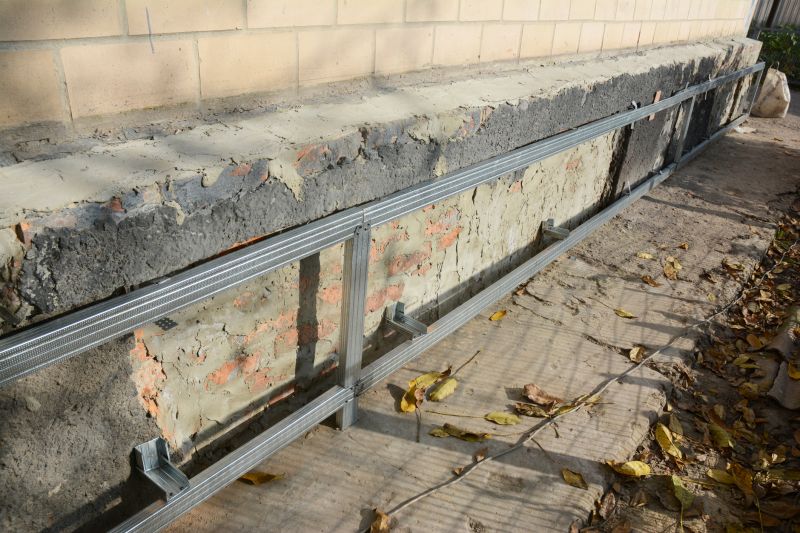
Inspecting and stabilizing the foundation to prevent further damage.
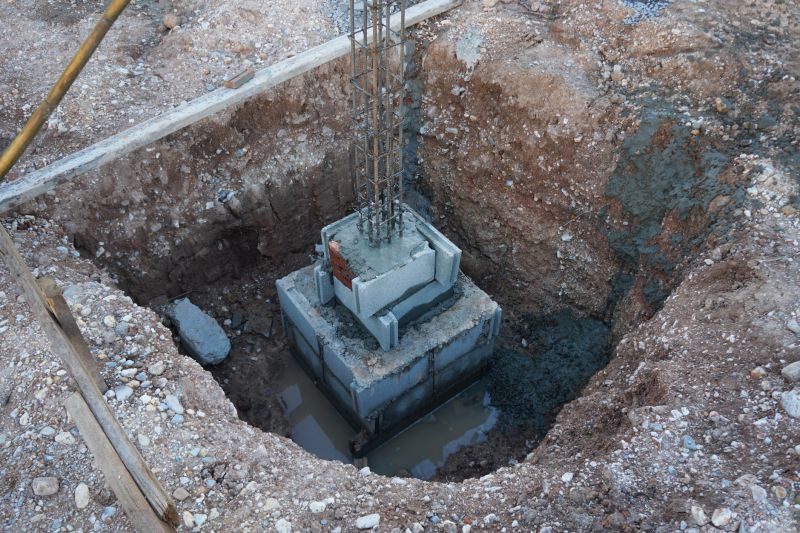
Methods to reduce soil movement and support foundation integrity.
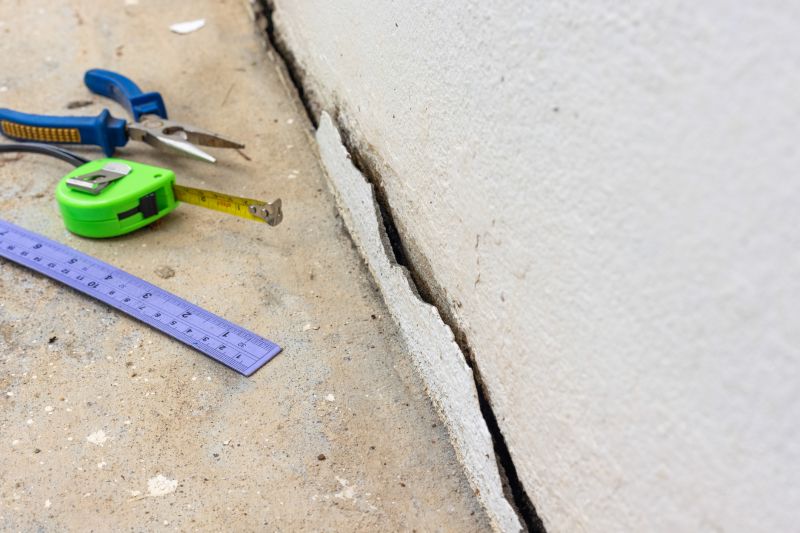
Sealing and reinforcing cracks to maintain structural stability.
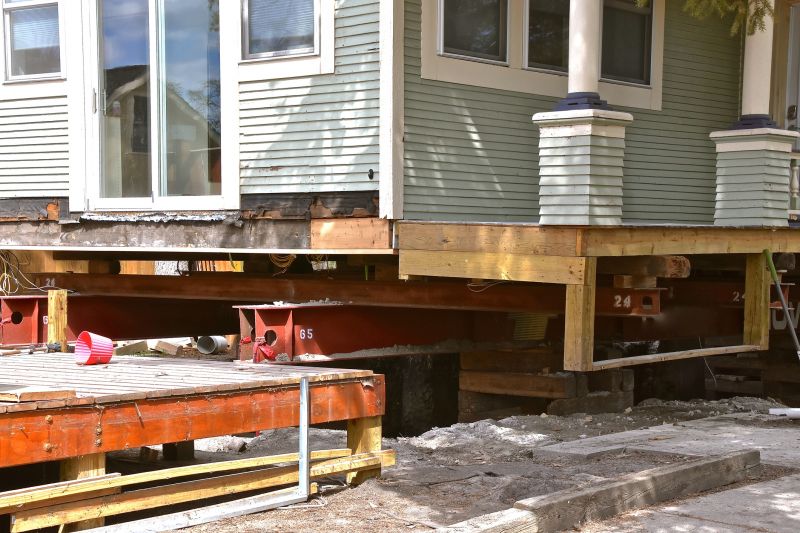
Lifting and stabilizing the foundation using piers.
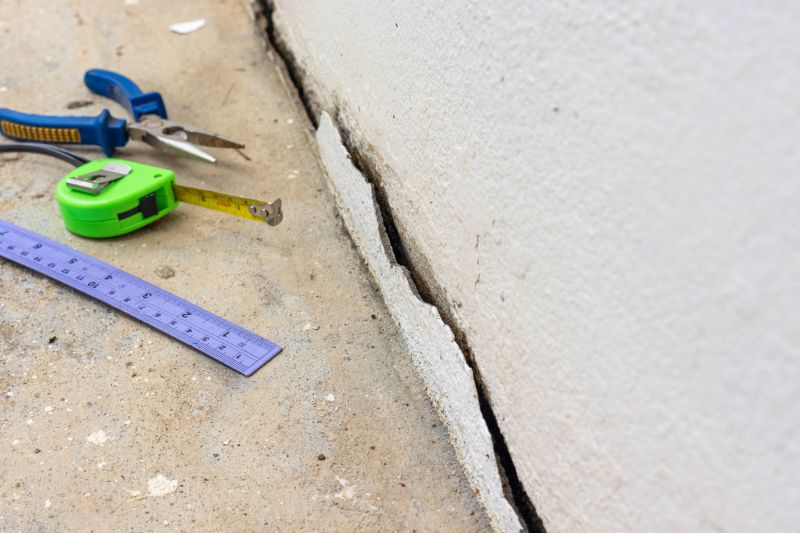
Little measurements that prevent headaches on Foundation Repairs day.
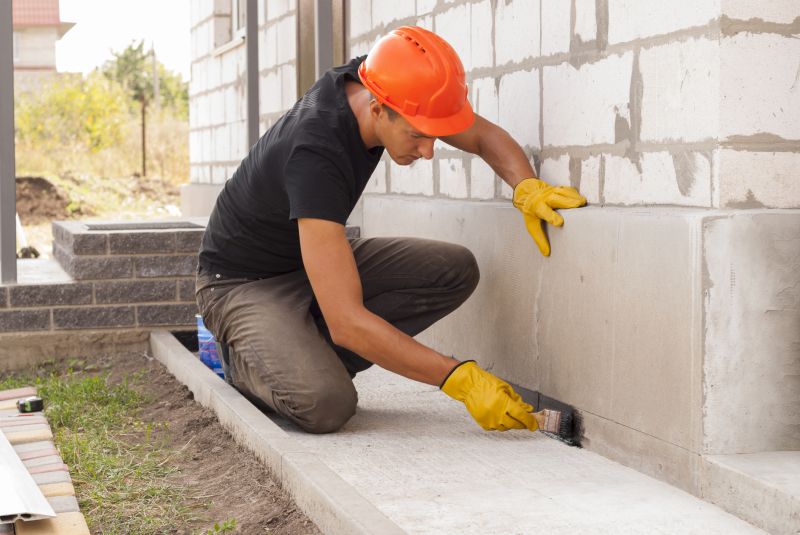
A 60-second routine that keeps Foundation Repairs looking new.
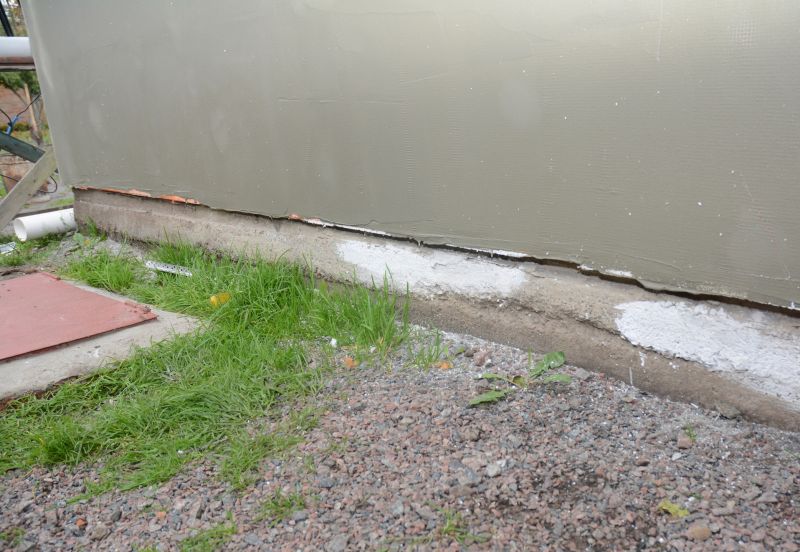
A frequent mistake in Foundation Repairs and how to dodge it.
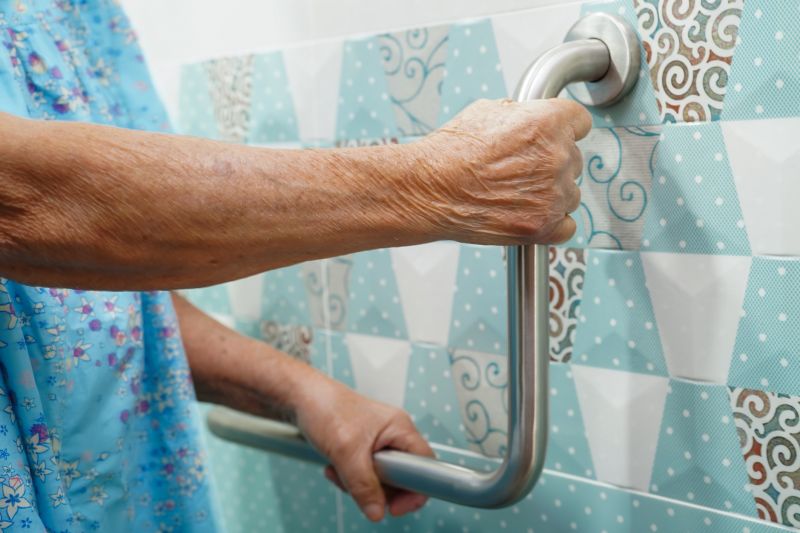
Small tweaks to make Foundation Repairs safer and easier to use.
Timely foundation repairs can prevent costly structural damage and improve property stability. Choosing the appropriate season based on regional climatic conditions ensures that repairs are durable and effective. Consulting with foundation specialists can provide insights into the most suitable timing for specific soil and weather conditions in Grand Forks, ND.
Interested in foundation stabilization? Fill out the contact form to discuss options and schedule an assessment.